Showing posts with label superpobyt travel. Show all posts

Saturday, 8 March 2025

Discover and explore natural beauty around village Zazriva


Discover and explore natural beauty around village Zazriva


In the year 1552, a pivotal figure named Mr. Greguss Zázdriwský made his mark by settling in what is now the village of Zázrivá. Alongside his descendants, he initiated the extensive clearing of dense forests, paving the way for agriculture and the sowing of grain. It took centuries of dedicated effort for the landscape of Zázrivá to evolve into its current form.

The evolution of the village’s name is documented through various historical records, with its first mention in 1556 as "Zazrywa". Subsequent references include variations like "Zazdrywa" and "Zazrywa" in 1564, and "Zaschriwa" in 1786, with the Hungarian version being "Zázriva."

Zázrivá was established within the jurisdiction of the Orava Castle estate, characterized as a Wallachian village. By 1556, the village's initial written mention suggests a modest population fluctuating between 150 to 200 inhabitants. During the warmer months, these early settlers, along with their livestock, would migrate to the nearby mountainous regions to graze, returning to today's Ústředie as winter approached. Over time, familial settlements began to emerge in the summer grazing areas, leading to the development of communities such as Ráztoky, Havrania, Petrová, Biela, Končitá, Grúne, Kozinská, Demkovská, Plešivá, and Dolina.

By 1615, the territorial borders of Zázrivá were officially defined. A census just four years later recorded the presence of 11 Wallachian peasant families and 5 landless zeliars. By this time, the village had already established a mill and a man's sawmill, while the first documented inn wouldn’t appear until 1667.

The village faced significant adversities during the Bocskay Uprising, leading to a period of disrepair amid the Kurukshetra Wars. During this turbulent time, the once-thriving community dwindled to approximately 27 families and around 140 residents. The land registry from 1770, however, recognized Zázrivá for its rich resources, including abundant woodlands, fertile pastures, notable shingle production, and especially for its lucrative dairy operations. The foundation of the parish office in 1747 marked a new era, and the original wooden church, built in 1705, was eventually replaced by a more durable brick Roman Catholic church in 1791. The census of 1778 recorded 1,107 individuals residing in 14 rales.


Education was also a focus in the village, with the school in Ústredí (then known as Centrum) mentioned as early as 1754, highlighting the educator Martin Juriga in the official records. As history unfolded, Zázrivá experienced notable population growth, with the first census in Hungary revealing a total of 2,030 inhabitants. By 1828, the village boasted 361 houses and 2,598 residents, although they endured significant hardships, including chronic poverty and frequent outbreaks of epidemic diseases. Despite these challenges, the population continued to rise, and by 1870, Zázrivá had increased to 543 houses with the same population count of 2,598.

The political and social landscape shifted following 1848, as Zázrivá found itself under the vassalage of the Orava Compossessorate. While the population was on the rise, agricultural land and the sheep-breeding industry struggled to provide sufficient livelihoods for all. As a result, many inhabitants—known as Bač and Valas—resorted to emigration, seeking opportunities in neighboring Orava and Slovak villages, and even venturing as far as other European nations or overseas. This pattern of migration persisted until the village's liberation in 1945.

In a significant historical context, from 1944 to 1945, Zázrivá became a stronghold for partisan activities. The local partisans conducted raids and organized diversionary teams aimed at regions in Bohemia and Moravia. In recognition of their profound support and bravery, the village was honored with the Order of the Red Star and the Commemorative Medal of the Slovak National Uprising. Zázrivá celebrated its liberation on April 5, 1945.

By the 1970s, Zázrivá had burgeoned into the largest village in the Orava region, with a population exceeding 4,100 inhabitants. As of 2004, the village had a population of approximately 2,840 residents.

Notable figures born in Zázrivá include Ján Nepomuk Drengubiak, a priest celebrated for his talents as a painter and woodcarver, born on October 31, 1781. Additionally, František Tondra, who would become the Spiš diocesan bishop, and Andrej Imrich, the consecrating bishop of Spiš, were prominent individuals associated with the village.


Where is the village Zazriva located?

Nestled in the picturesque northwestern region of Slovakia, the village of Zázrivá boasts a captivating landscape influenced by its unique geographical features. This charming village spans multiple mountainous terrains within the Fatra-Tatra region and the Central Beskids, herding nature's beauty into one serene enclave.

At the heart of Zázrivá lies the Zázrivská brázda, a broad valley that serves as the village's nucleus. Encircling this valley to the north are the striking Kysucké bradla, a series of rugged hills that create a majestic backdrop. Towering above the landscape, Kozinec rises to 995 meters, while the impressive Havranský vrch reaches 970 meters. The landscapes are further elevated by Okrúhlica, which peaks at 1,076 meters, and Pupov, standing tall at 1,095 meters, collectively forming part of the Kysucké vrchovina range.

To the southwest and south, the village is embraced by the enchanting Little Fatra Mountains, featuring remarkable summits such as Malý Rozsutec and the scenic Osnica. The eastern boundary is defined by the Oravská Magura, which includes the sub-units Kubínska hoľa—known for its lush forests—and Paráč, characterized by its rugged terrain. Finally, from the south, the village is sheltered by the lesser-known yet equally captivating Hrčkova Käčka and the formidable Čierny vrch.

The overall shape of Zázrivá's territory resembles a trapezoid, with its shorter sides delineating the northern and eastern perimeters. This unique configuration not only enhances its natural charm but also highlights the diverse ecosystems and breathtaking vistas that surround this tranquil Slovakian village.


Little bit of the village history

The village of Zázrivá, originally established as a Wallachian settlement, is situated within the historical boundaries of the Orava Castle estate. Its first known written reference dates back to 1556, revealing a small community that, according to census records from that era, boasted a population of approximately 150 to 200 residents.

During those early years, the villagers followed a seasonal nomadic lifestyle, migrating with their livestock to the higher elevations for the summer months. Over time, some families chose to settle permanently in these summer grazing areas, paving the way for the establishment of distinct neighborhoods within Zázrivá, including Ráztoky, Havrania, Petrová, and Biela, among others.

By 1615, the village's boundaries were officially delineated, marking a significant moment in its development. Meanwhile, during the childhood reign of King Louis II, the governance of the Orava region was under the stewardship of Knight Dônč, who generously donated expansive meadows to the Wallachian community of Valaská Dubová, primarily around the settlements of Plešivá and Kozinská.

However, the village faced considerable challenges during the turbulent times of the Kuruk Wars, leading to a period of decline. The once thriving village began to lose its Wallachian privileges progressively. A notable yet hopeful development occurred in 1747 with the establishment of the Parish Office, which aimed to foster community life. In 1791, the village witnessed the construction of its first brick Roman Catholic church, positioned on the site of the original wooden church that had been erected in 1705 but later dismantled and sold to the nearby village of Žaškov.

Education took root in Zázrivá as early as 1754, when a school was documented in the area known as Ústredí, formerly referred to as Centrum. The school was headed by a teacher named Martin Juriga, as noted in historical records. Following the year 1848, Zázrivá found itself under the servitude of the Orava Compossessorate estate, a situation that stymied community growth.

 The momentum of emigration among residents escalated up until 1945, driven by various socio-economic pressures. It wasn’t until 1871 that the Urban Association was formed, an important milestone that represented the villagers' collective struggle to amass the necessary resources for purchasing their freedom from serfdom, thereby seeking autonomy and a better future.


Most recognize culture places and attractions near by village

The Church of All Saints features a fascinating late Baroque architectural style, characterized by its single nave and a uniquely polygonal presbytery that gracefully culminates in a pointed tower, constructed between 1791 and 1796. Nestled on the fringes of the village, this church is situated amidst a serene cemetery setting.

Tragically, in 1934, the structure was ravaged by a fire, leading to a significant lack of restoration efforts in the subsequent years. A partial restoration was eventually undertaken in 2012, during which the perimeter walls surrounding the choir were preserved, and both the tower and the presbytery received new roofing, allowing them to stand resiliently against the elements.

In contrast, the Roman Catholic Church of the Assumption of the Virgin Mary presents an intriguing blend of modernist design, featuring a single-nave layout and a segmental conclusion to the presbytery, built on a Greek cross plan. This church, constructed between 1928 and 1933, boasts a striking pointed tower and a façade that captures the essence of 1920s period decorativism.

The exterior is elegantly divided by high-relief lisones, which enhance its visual appeal, and is topped with distinctive decorative cornices. The tower is adorned with a elegant tent roof that adds to its charm. A notable feature is the entrance, which is conceived as a four-axis portico within the tower itself.

The construction of this impressive church was spearheaded by the local priest, Ján Briššák, reflecting the community’s commitment to modernity in religious architecture. Inside, the church houses a magnificent Tyrolean organ, reputed to be the largest in the Orava region, adding a rich auditory experience to its visual beauty.


----------------------------------------------------------------------------------------------------


BLOGGER INFORMATION
We sincerely appreciate you taking the time to visit our blog. Your interest means a lot to us! If you’re eager to explore more insightful articles and updates, we invite you to dive deeper into our blog, where you can find a wealth of information tailored to your interests here at 
http://www.superpobyt.travel

Feel free to browse through our various posts for an enriching reading experience!


We would greatly appreciate it if you took a moment to visit our Facebook page. By giving us a "like," you will be contributing to our ongoing efforts to enhance our services and better serve our community. Your support means a lot to us, and it helps us understand what you value most. To show your support and stay updated on our latest news and offerings, please click on the link to our page right now at  : https://www.facebook.com/SUPERPOBYTTravel


More social network site to follow:

FACEBOOK:

https://www.facebook.com/SUPERPOBYTTravel
https://www.facebook.com/pages/SUPERPOBYTsk-Ubytovanie-na-Slovensku/217943457784


PINTEREST:

https://www.pinterest.com/unisolslovakia/

TWITTER:
https://twitter.com/UNISOLSLOVAKIA
https://twitter.com/SUPERPOBYT
https://twitter.com/TomasSmutny1


YOUTUBE:
https://www.youtube.com/@SUPERPOBYTTravel


INSTAGRAM:
https://www.instagram.com/superpobyt/


Thank you for being a part of our journey and for supporting and visiting our blog!


We would greatly appreciate it if you could take some time to explore our partnering website, which plays a crucial role in supporting the development of this project. Their contributions and resources are invaluable to our efforts, and visiting their site will provide you with further insights into the collaboration and initiatives we are undertaking together.

U FOUNDER | U PRO MARKETER | SEE THAT SHOP | UNISOL SLOVAKIA | ORIGINALER | VERSINI | FASKHER | BESEKER | APARTMAN NA OBRAZE | UBYTKO BB | SUPERPOBYT | SUPERPOBYT WORLD | SUPERPOBYT EUROPE | SUPERPOBYT INTERNATIONAL | UNIWEBSITE SOLUTION | SMARTTEP BB | CARWASH BB | EMAIL SPOT | PRACOVNA BB | EXPEDIA TRAVEL | INVIA TRAVEL | LIMBA TRAVEL

Thank you for considering this!


Contact Person: Tomáš Smutný

Brand Name: SUPERPOBYT or SUPERPOBYT TRAVEL or SUPERPOBYT WORLD

Travel Agency: DEMDERAW PRO LTD

HMRC Registration Number: 15147024

International Business Classification: 79110 - Travel agency activities

Telephone Numbers: +421 949 517 732, +44 7577 447 393

Email Address: superpobyt@superpobyt.co.uk, superpobyt@superpobyt.sk , superpobyt.travel@gmail.com, demderawpro@gmail.com


Complete Company Information: https://find-and-update.company-information.service.gov.uk/company/15147024


Instant Consultation or Travel Bookings: https://chat.onwebchat.com?id=7c80b2af61d02271b7adb667871bf42d


Thank you for being a part of our journey!

The City of Banská Bystrica is known for its iconic SNP Square


The central square of Banská Bystrica lies majestically beneath the imposing Town Castle, serving as a historical focal point for the community. In the dialect of the Stará Bystrica residents, this area was affectionately referred to as řínok, which translates to market square. This vibrant space primarily functioned as a bustling marketplace, where local vendors and traders exchanged goods, fostering a lively atmosphere filled with the sounds and aromas of commerce.

Surrounding the square, elegant houses were constructed by affluent burghers, reflecting their prosperity and influence. The ground floors of these stately homes often housed an array of artisanal shops and inviting taverns, where patrons could enjoy a variety of beverages, including locally brewed beer, fine wines, and strong brandies, making it a social hub for the townsfolk.

However, the square's history is marked by tragedy; in 1500, a catastrophic fire engulfed the original wooden structures, leaving the city center in ruins and transforming it into a scene of devastation. Following this calamity, the German inhabitants received permission to erect new buildings on the square. These early stone houses, characterized by their late Gothic architecture, contributed a distinct charm, with remnants of their original designs still evident in the intricate details and cores of several structures that stand today.

In the wake of further turmoil, particularly after the raid by the hajdúchs led by Štefan Bočkaj, the survivors undertook significant renovations, resulting in a shift toward the Renaissance style. Later, after one of the most devastating fires in 1761, the square saw its buildings undergo yet another transformation, adopting graceful Baroque features that enhanced the visual splendor of the area.

Throughout its history, the square served not only as a marketplace but also as a venue for crucial gatherings among the citizens, important dignitaries, and officials. It once featured a pillory, complete with an iron cage, serving as a grim reminder of the judicial actions of the time, and a designated area for the execution of those deemed guilty. This blend of commercial vitality and darker historical elements adds depth to the rich tapestry of Banská Bystrica’s central square.


Beautiful community venues and fun fair in Banska Bystrica

Banská Bystrica hosted four vibrant annual fairs, drawing attendees from near and far. The first fair of the year took place on January 25, marking a festive start to the calendar of events. One of the most celebrated, the legendary Radvanský fair, occurred every September, infusing the town with excitement and a rich atmosphere. Traditionally, the bustling market day in Banská Bystrica fell on a Monday, drawing local vendors and townspeople alike.

During the fairs, the town square transformed into a lively hub of activity. The castle road, which connected Zvolen to Brezno, cut directly through the heart of the square, enhancing its significance as a crossroads of commerce. To accommodate the throngs of visitors, a wide pedestrian pathway was constructed along the left side of the square, adorned with a picturesque tree-lined avenue that offered shade and beauty.

At the center of the square stood an important feature of the market: a well, which provided fresh water for the cattle brought by vendors for sale. This well was not only vital for the market's livestock, but it also served the horses of notable military figures, including the troops of the Prince of Transylvania, Stefan Bočkaj, and Duke Francis II Rákoci, as well as the imperial army during significant campaigns. Interestingly, a fountain now occupies the spot where this historic well once stood, symbolizing the town’s evolution while retaining a connection to its vibrant past.


City History And Culture Of Banska Bystrica

The square began to take on its historical significance toward the close of the 14th century, although it lacked the continuous line of terraced buildings that we admire today. The evolved architectural unity of the houses as we perceive them manifested only in the early 16th century, transforming the area into a cohesive and charming space.

Each residence on the square possesses its own unique allure, contributing to an enchanting panorama that captivates the eye. The families who gained the privilege to erect homes in this vibrant marketplace were typically affluent and influential members of society. To signify their social status and lineage, they often adorned their properties with elaborate family coats of arms and distinctive symbols.

These emblems can be found intricately displayed on the façades of the buildings, embedded within the passageways, or incorporated into the intricate ceiling and wall paintings that grace the interiors. This blend of architecture and artistry not only reflects the wealth of its inhabitants but also weaves a rich tapestry of history into the very fabric of the square.


Beautiful community venues and fun fair in Banska Bystrica

Banská Bystrica's SNP Square stands out as one of the most picturesque squares in Slovakia, showcasing a harmonious blend of historical charm and architectural beauty. Since 1955, this area has proudly held the status of a Municipal Monument Reserve, particularly due to its well-preserved historical layout and the adjacent City Castle.


The square is home to an impressive array of valuable buildings, many of which date back to the 15th century, reflecting the architectural styles of that era. One notable structure is the Pribicierov House, known for its distinct medieval characteristics. As the 15th century transitioned into the 16th, several other significant buildings emerged on the square, including the Ebner House (No. 22), the Imperial House (No. 20), and the iconic Leaning Tower.


This tower, known historically by various names – Hour Tower (from the time of its construction), Weighing Tower (due to its proximity to the city’s weight measurement facility), Green Tower (for its verdant copper roof), and since the late 19th century, the Leaning Tower – has an intriguing story. Construction of the Leaning Tower commenced in 1552, originally rising only to a height of 20.5 meters at its base.


In the late 17th century, the tower underwent significant Baroque renovations that added further height and additional clock faces, enhancing its prominent presence in the square. Despite facing several destructive fires and numerous modifications over the years, the tower's current form is a result of restorations made after a devastating fire in 1761. A noteworthy event occurred in 1920 when the structure experienced a critical shift in its stability, causing it to lean by as much as 68 centimeters, a condition that persisted until its stabilization in 1959. Following this repair, the tower ceased its tilt.


During a comprehensive renovation of the square from 1993 to 1996, the Leaning Tower was carefully restored and made accessible to the public, allowing visitors to appreciate its historical significance. Climbing the 101 wooden steps leads visitors to an observation deck perched atop the tower, offering breathtaking panoramic views of Banská Bystrica and the surrounding mountain landscape.


In the same period, another notable building emerged: the Krebs House (also known as U Raka, No. 18). Furthermore, the Benicky House (No. 16) is an example of a mid-17th century reconstruction, contributing to the rich tapestry of architectural heritage in SNP Square.


Tourism, Tour and Travel at Banska Bystrica

Tourism, Tour and Travel plays a vital role in shaping the identity and vitality of a city in today’s interconnected world. Not only does this sector generate a substantial number of employment opportunities, but it also stands as one of the cornerstone pillars of the economy. The influx of both domestic and international visitors stimulates local purchasing power, which in turn propels the growth of small and medium-sized enterprises across the region. To ensure the sustained development of the city, it is imperative to enhance TR both in terms of quantity and quality, with an emphasis that extends beyond mere financial metrics.

The Banská Bystrica region boasts a wealth of resources, including its stunning natural landscapes, rich cultural heritage, and numerous historical landmarks, providing a solid foundation to foster tourism. Collaborative efforts with the private sector can help elevate Banská Bystrica into a renowned and highly sought-after destination within the Central Slovak region. Implementing well-structured projects focused on the progressive development of tourism will not only enhance Banská Bystrica's visibility and appeal domestically but also mark it as an attractive location on the international stage.

In 2016, Banská Bystrica experienced a remarkable 24% surge in visitor numbers compared to previous years. Overnight stays saw an impressive 27% increase within the same timeframe, highlighting the city's growing popularity. Revenue generated from accommodation facilities rose by an astounding 37%, and the number of available accommodation options also expanded significantly.

The local government collected approximately €26,000 in accommodation taxes, reflecting the thriving tourism ecosystem. As of June 30, 2015, the Banská Bystrica district was home to 124 accommodation establishments, which welcomed a total of 39,552 visitors, further underscoring the region's potential as a dynamic tourist hub.


----------------------------------------------------------------------------------------------------


BLOGGER INFORMATION
We sincerely appreciate you taking the time to visit our blog. Your interest means a lot to us! If you’re eager to explore more insightful articles and updates, we invite you to dive deeper into our blog, where you can find a wealth of information tailored to your interests here at 
http://www.superpobyt.travel

Feel free to browse through our various posts for an enriching reading experience!


We would greatly appreciate it if you took a moment to visit our Facebook page. By giving us a "like," you will be contributing to our ongoing efforts to enhance our services and better serve our community. Your support means a lot to us, and it helps us understand what you value most. To show your support and stay updated on our latest news and offerings, please click on the link to our page right now at  : https://www.facebook.com/SUPERPOBYTTravel


More social network site to follow:

FACEBOOK:

https://www.facebook.com/SUPERPOBYTTravel
https://www.facebook.com/pages/SUPERPOBYTsk-Ubytovanie-na-Slovensku/217943457784


PINTEREST:

https://www.pinterest.com/unisolslovakia/

TWITTER:
https://twitter.com/UNISOLSLOVAKIA
https://twitter.com/SUPERPOBYT
https://twitter.com/TomasSmutny1


YOUTUBE:
https://www.youtube.com/@SUPERPOBYTTravel


INSTAGRAM:
https://www.instagram.com/superpobyt/


Thank you for being a part of our journey and for supporting and visiting our blog!


We would greatly appreciate it if you could take some time to explore our partnering website, which plays a crucial role in supporting the development of this project. Their contributions and resources are invaluable to our efforts, and visiting their site will provide you with further insights into the collaboration and initiatives we are undertaking together.

U FOUNDER | U PRO MARKETER | SEE THAT SHOP | UNISOL SLOVAKIA | ORIGINALER | VERSINI | FASKHER | BESEKER | APARTMAN NA OBRAZE | UBYTKO BB | SUPERPOBYT | SUPERPOBYT WORLD | SUPERPOBYT EUROPE | SUPERPOBYT INTERNATIONAL | UNIWEBSITE SOLUTION | SMARTTEP BB | CARWASH BB | EMAIL SPOT | PRACOVNA BB | EXPEDIA TRAVEL | INVIA TRAVEL | LIMBA TRAVEL

Thank you for considering this!


Contact Person: Tomáš Smutný

Brand Name: SUPERPOBYT or SUPERPOBYT TRAVEL or SUPERPOBYT WORLD

Travel Agency: DEMDERAW PRO LTD

HMRC Registration Number: 15147024

International Business Classification: 79110 - Travel agency activities

Telephone Numbers: +421 949 517 732, +44 7577 447 393

Email Address: superpobyt@superpobyt.co.uk, superpobyt@superpobyt.sk , superpobyt.travel@gmail.com, demderawpro@gmail.com


Complete Company Information: https://find-and-update.company-information.service.gov.uk/company/15147024


Instant Consultation or Travel Bookings: https://chat.onwebchat.com?id=7c80b2af61d02271b7adb667871bf42d


Thank you for being a part of our journey!


Tourist Trip to the Peak of Rysy Mountain from the Slovak Side


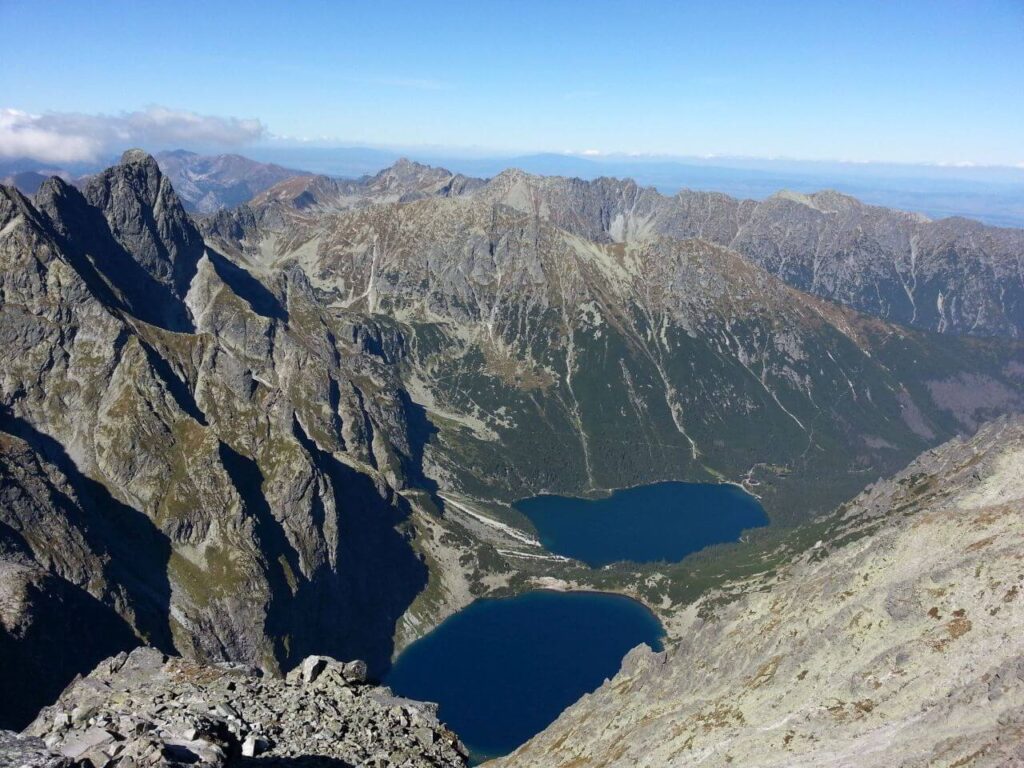
Rysy is a mountain in the crest of the High Tatras, eastern part of the Tatra Mountains | SUPER INFORMACIA

Hiking Trip to the Top of the Rysy Mountains from the Slovak Side

The ascent of Rysy can be started from both the Slovak and Polish sides, each offering unique experiences and challenges. The Slovak route begins at the picturesque Štrbské pleso, a picturesque mountain lake located at an altitude that adds to its appeal. Hikers will head to Chata pod Rysmi, a charming mountain hut located at an altitude of 2,250 meters (7,380 feet). It is important to note that the trail and hut on the Slovak side are closed to the public from November 1 to June 15, making this route inaccessible during the winter months.

On the Polish side, the ascent is reached via Morskie Oko, a stunning glacial lake that serves as the starting point for a more visually appealing but technically demanding route. This route takes adventurers from Morskie Oko to Czarny Staw and then climbs the northern slope and passes the steep western face of Rysy. Due to the altitude and geographical conditions, this route can remain snow-covered until the second half of June, requiring climbers to be adequately equipped for winter conditions.

For those considering a winter ascent from the Polish side, it is important to understand that this is a serious undertaking. Climbers face considerable risks and must have appropriate equipment, such as crampons and ice axes, along with the necessary experience to cope with the treacherous conditions, including the ever-present threat of avalanches. Historical records reveal that serious avalanches have occurred in this area, some of which have tragically resulted in fatalities. The average slope of the slope above Czarny Staw is around 30 degrees, but climbers will face greater challenges in the Rysa couloir, which has a slope of around 40 degrees in the initial half and can reach steep angles of up to 44 degrees. upper part.

Since both Poland and Slovakia joined the Schengen Agreement in 2007, border crossings at this location have become seamless, allowing tourists and climbers to easily cross between the two countries without the hassle of border controls. This accessibility, combined with stunning natural beauty and challenging terrain, makes Rysa a popular destination for outdoor enthusiasts.


Information for Tourists and Visitors

Rysy is a prominent and iconic peak in the majestic Tatra Mountains, straddling the border between Slovakia and Poland. Known for its breathtaking beauty and challenging terrain, Rysy holds several notable distinctions: it is the highest peak in Poland, boasts the highest border crossing in the Tatra Mountains, and is the most visited peak that adventurous hikers can reach on foot without the assistance of a cable car or mountain guide.

The Rysy massif is made up of three prominent peaks: the northwestern peak, which serves as a border viewpoint; the central peak, which is the highest; and the southeastern peak, which is the lowest of the three. The picturesque Slovak side is adorned with a system of three beautiful lakes known as the Žabie plesa. These lakes not only complement the natural beauty of the area, but also serve as a popular resting stop for hikers along the way to the summit.

The climb to Rysy is a moderately difficult climb that rewards adventurous souls with panoramic views that stretch across the Tatra Mountains. From this vantage point, visitors can enjoy a dramatic landscape of rugged peaks, lush valleys, and on clear days, views that can cover entire regions of Poland and Slovakia. The allure of Rysy attracts many domestic and foreign tourists who want to enjoy the inspiring atmosphere and breathtaking scenery that make this peak unique.

The most common starting point for hikes to Rysy is the peaceful Popradské Pleso, a picturesque mountain lake that provides a peaceful backdrop before the climb. The hike to Rysy is approximately 6 kilometers long and takes hikers through the picturesque Mengusovská Valley. Along the way, adventurers are greeted by the beauty of the surrounding nature, including majestic trees, rocky terrain, and the soothing sound of flowing water from nearby streams.

On the way to Žabí pleso, they come across the charming mountain hut Chata pod Rysmi, which serves as an ideal place to relax and recharge with hearty Slovak cuisine. From there, the final stretch towards the summit unfolds, offering tourists an exciting sense of achievement and the opportunity to immerse themselves in the unique magic that Rysy radiates. It is an experience that every Tatra tourist should cherish and remember.


Rysy is a mountain in the crest of the High Tatras, eastern part of the Tatra Mountains | SUPER INFORMACIA


----------------------------------------------------------------------------------------------------


BLOGGER INFORMATION
We sincerely appreciate you taking the time to visit our blog. Your interest means a lot to us! If you’re eager to explore more insightful articles and updates, we invite you to dive deeper into our blog, where you can find a wealth of information tailored to your interests here at 
http://www.superpobyt.travel

Feel free to browse through our various posts for an enriching reading experience!


We would greatly appreciate it if you took a moment to visit our Facebook page. By giving us a "like," you will be contributing to our ongoing efforts to enhance our services and better serve our community. Your support means a lot to us, and it helps us understand what you value most. To show your support and stay updated on our latest news and offerings, please click on the link to our page right now at  : https://www.facebook.com/SUPERPOBYTTravel


More social network site to follow:

FACEBOOK:

https://www.facebook.com/SUPERPOBYTTravel
https://www.facebook.com/pages/SUPERPOBYTsk-Ubytovanie-na-Slovensku/217943457784


PINTEREST:

https://www.pinterest.com/unisolslovakia/

TWITTER:
https://twitter.com/UNISOLSLOVAKIA
https://twitter.com/SUPERPOBYT
https://twitter.com/TomasSmutny1


YOUTUBE:
https://www.youtube.com/@SUPERPOBYTTravel


INSTAGRAM:
https://www.instagram.com/superpobyt/


Thank you for being a part of our journey and for supporting and visiting our blog!


We would greatly appreciate it if you could take some time to explore our partnering website, which plays a crucial role in supporting the development of this project. Their contributions and resources are invaluable to our efforts, and visiting their site will provide you with further insights into the collaboration and initiatives we are undertaking together.

U FOUNDER | U PRO MARKETER | SEE THAT SHOP | UNISOL SLOVAKIA | ORIGINALER | VERSINI | FASKHER | BESEKER | APARTMAN NA OBRAZE | UBYTKO BB | SUPERPOBYT | SUPERPOBYT WORLD | SUPERPOBYT EUROPE | SUPERPOBYT INTERNATIONAL | UNIWEBSITE SOLUTION | SMARTTEP BB | CARWASH BB | EMAIL SPOT | PRACOVNA BB | EXPEDIA TRAVEL | INVIA TRAVEL | LIMBA TRAVEL

Thank you for considering this!


Contact Person: Tomáš Smutný

Brand Name: SUPERPOBYT or SUPERPOBYT TRAVEL or SUPERPOBYT WORLD

Travel Agency: DEMDERAW PRO LTD

HMRC Registration Number: 15147024

International Business Classification: 79110 - Travel agency activities

Telephone Numbers: +421 949 517 732, +44 7577 447 393

Email Address: superpobyt@superpobyt.co.uk, superpobyt@superpobyt.sk , superpobyt.travel@gmail.com, demderawpro@gmail.com


Complete Company Information: https://find-and-update.company-information.service.gov.uk/company/15147024


Instant Consultation or Travel Bookings: https://chat.onwebchat.com?id=7c80b2af61d02271b7adb667871bf42d


Thank you for being a part of our journey!


Skok Waterfall Is One of the Most Beautiful and Easily Accessible Tourist Spots

 
Skok Waterfall Is One of the Most Beautiful and Easily Accessible Tourist Spots

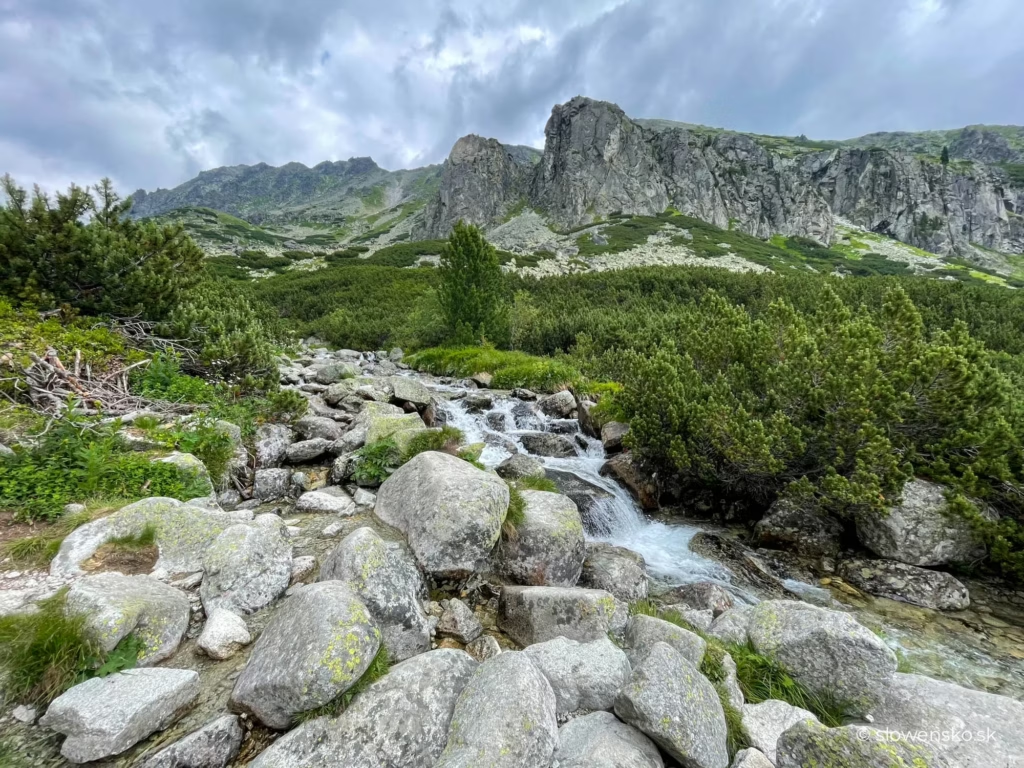
Skok is a stunning waterfall that flows approximately 30 meters into the picturesque Mlynická Valley on the Mlynica River. Considered one of the most beautiful waterfalls in the Tatra Mountains, Skok truly reveals its breathtaking charm during periods of increased water flow, when the turbulent waters create a dramatic spectacle of the surrounding landscape.

This magnificent waterfall descends from a rocky ledge located at an altitude of 1,789 meters above sea level and provides a magnificent view of the valley below. The route to the waterfall involves a hike that involves a well-secured ascent along chains, which is essential for navigating the steep and often slippery granite slabs that characterize this area.

Visitors should be aware that access to Skok is limited during the winter months, as the trail is seasonally closed from November 1 to June 15 for safety reasons. For those wishing to experience this natural wonder, a well-marked yellow trail from Štrbské Pleso will guide hikers on their way, making the hike to the waterfall accessible and rewarding.

Information for Tourists and Visitors 

If you are looking for a scenic and relatively short hike in the breathtaking Tatra Mountains, consider visiting the Mlynická dolina with the magnificent Skok Waterfall. With an impressive height of 25 meters, this waterfall is the fourth highest in the region, but it is also undoubtedly the most voluminous, making it a real gem among the Tatra natural beauties. Unlike many other waterfalls in the area, the Skok Waterfall has a well-maintained trail that remains accessible all year round, inviting adventurers regardless of the season. 

The waterfall dramatically plunges down a rocky ledge at an altitude of almost 1800 meters above sea level, creating a fascinating sight as the water plunges into the valley below. The main source of water feeding this magnificent waterfall is the peaceful Pleso nad Skokom, a mountain lake that contributes to its flow. When the water reaches the foot of the waterfalls, it meanders gracefully between large boulders, continues its journey through the Mlynická Valley and finally flows into the picturesque Štrbské Pleso.

For those who want to experience a breathtaking aerial view of the Skok Waterfall and the vast Mlynická Valley, we recommend a summer hike to Pleso nad Skokom. This part of the trail is equipped with a safe steel chain that helps tourists climb - a manageable challenge for most visitors, including families with children. Along the way, you will also discover several smaller and larger lakes nestled in the middle of the mountains, each of which provides a peaceful environment ideal for a short break or photo shoot.

The well-marked hiking trail leading to the Skok Waterfall starts at the Štrbské Pleso train station and is approximately 5 kilometers long. The trail is designed to gradually increase in elevation, ensuring that the terrain remains accessible and non-technical, making it a suitable adventure for families with young children or anyone looking for a relaxing outdoor experience. Overall, the Skok Waterfall trail promises not only the thrill of nature, but also a rewarding experience for all who walk its paths.


----------------------------------------------------------------------------------------------------


BLOGGER INFORMATION
We sincerely appreciate you taking the time to visit our blog. Your interest means a lot to us! If you’re eager to explore more insightful articles and updates, we invite you to dive deeper into our blog, where you can find a wealth of information tailored to your interests here at 
http://www.superpobyt.travel

Feel free to browse through our various posts for an enriching reading experience!


We would greatly appreciate it if you took a moment to visit our Facebook page. By giving us a "like," you will be contributing to our ongoing efforts to enhance our services and better serve our community. Your support means a lot to us, and it helps us understand what you value most. To show your support and stay updated on our latest news and offerings, please click on the link to our page right now at  : https://www.facebook.com/SUPERPOBYTTravel


More social network site to follow:

FACEBOOK:

https://www.facebook.com/SUPERPOBYTTravel
https://www.facebook.com/pages/SUPERPOBYTsk-Ubytovanie-na-Slovensku/217943457784


PINTEREST:

https://www.pinterest.com/unisolslovakia/

TWITTER:
https://twitter.com/UNISOLSLOVAKIA
https://twitter.com/SUPERPOBYT
https://twitter.com/TomasSmutny1


YOUTUBE:
https://www.youtube.com/@SUPERPOBYTTravel


INSTAGRAM:
https://www.instagram.com/superpobyt/


Thank you for being a part of our journey and for supporting and visiting our blog!


We would greatly appreciate it if you could take some time to explore our partnering website, which plays a crucial role in supporting the development of this project. Their contributions and resources are invaluable to our efforts, and visiting their site will provide you with further insights into the collaboration and initiatives we are undertaking together.

U FOUNDER | U PRO MARKETER | SEE THAT SHOP | UNISOL SLOVAKIA | ORIGINALER | VERSINI | FASKHER | BESEKER | APARTMAN NA OBRAZE | UBYTKO BB | SUPERPOBYT | SUPERPOBYT WORLD | SUPERPOBYT EUROPE | SUPERPOBYT INTERNATIONAL | UNIWEBSITE SOLUTION | SMARTTEP BB | CARWASH BB | EMAIL SPOT | PRACOVNA BB | EXPEDIA TRAVEL | INVIA TRAVEL | LIMBA TRAVEL

Thank you for considering this!


Contact Person: Tomáš Smutný

Brand Name: SUPERPOBYT or SUPERPOBYT TRAVEL or SUPERPOBYT WORLD

Travel Agency: DEMDERAW PRO LTD

HMRC Registration Number: 15147024

International Business Classification: 79110 - Travel agency activities

Telephone Numbers: +421 949 517 732, +44 7577 447 393

Email Address: superpobyt@superpobyt.co.uk, superpobyt@superpobyt.sk , superpobyt.travel@gmail.com, demderawpro@gmail.com


Complete Company Information: https://find-and-update.company-information.service.gov.uk/company/15147024


Instant Consultation or Travel Bookings: https://chat.onwebchat.com?id=7c80b2af61d02271b7adb667871bf42d


Thank you for being a part of our journey!


Ultimate Bratislava Castle Photography Guide: Framing the Perfect Exterior Shot

  Intro Description About This Place Taking an exterior shot of a Castle in Bratislava stands as an imposing and deeply significant creative...